

I’ve been reading and watching a lot of content lately that takes place in the 1960s and, as someone who never used to put much thought into how I look, one thing has stood out for me: The idea of a “signature look.”
Whether it’s a particular color, an iconic piece of jewelry, or a whole outfit, the idea that women of a certain social standing used to have a “signature look” fascinates me, especially as a marketer.
Because for them, it wasn’t just about finding a husband. It was about looking like they belonged at the social clubs where their husbands might take them.
It was about fitting in with the wives of the men their husbands wanted to do business with.
They were leveraging the power of their personal brand before anyone was using the term “personal brand.”
That’s because, although our understanding of psychology was still very new, they understood the power of a strong brand on the minds of those around them, and they knew how to develop, maintain, and leverage a strong brand.
While I am far from advocating for a return to the past, I do think there’s a lot we can learn from our foremothers about what makes a brand strong, and how to use it to increase our influence over those around us.
Table of Contents
Familiarity
One of the first things we need to understand about human psychology is that we like the familiar.
The familiar is safe.
What we have experienced before we have survived, therefore, it is safe, which leads us to like it more.
If you’re like me and you enjoy musicals, this is why many musicals start with an overture of the songs you’re about to hear. That’s because that ensures the melodies will already be familiar to you when you encounter them in the show, thereby making you more inclined to like those songs.
Is it foolproof? Of course not. But think about the last time you heard a song from your childhood. Even if it wasn’t your favorite song at the time, chances are pretty good you found yourself coming up with excuses to keep listening because you found comfort in the old song.
That comfort is rooted in the familiarity you have with the song. You might associate it with happy moments in your past, but even if you don’t, chances are good you still gravitate towards it, simply because the familiarity of it is enough to provide you with enough comfort to feel safe.
This is a big reason why marketers are always talking about the importance of increasing your brand awareness.
Yes, it’s true that no one will buy from you if they don’t know who you are.
It’s also true that, the more familiar with you they are, the more likely they are to buy from you. How many times have you bought something just because you recognize the brand name, even if you have no particular feelings about the brand?
As it happens, that leads me to my next point…
How People Feel About Your Brand
It’s not that how people feel about your brand doesn’t matter. On the contrary, it matters very much. It’s just that, if they don’t have a strong feeling about your brand, the familiarity they have with your brand will be enough to convince them to buy, especially if it’s a low-cost item.
On the other hand, if people have strong negative feelings about your brand, they’ll be more likely to check out an unfamiliar brand than to buy from you.
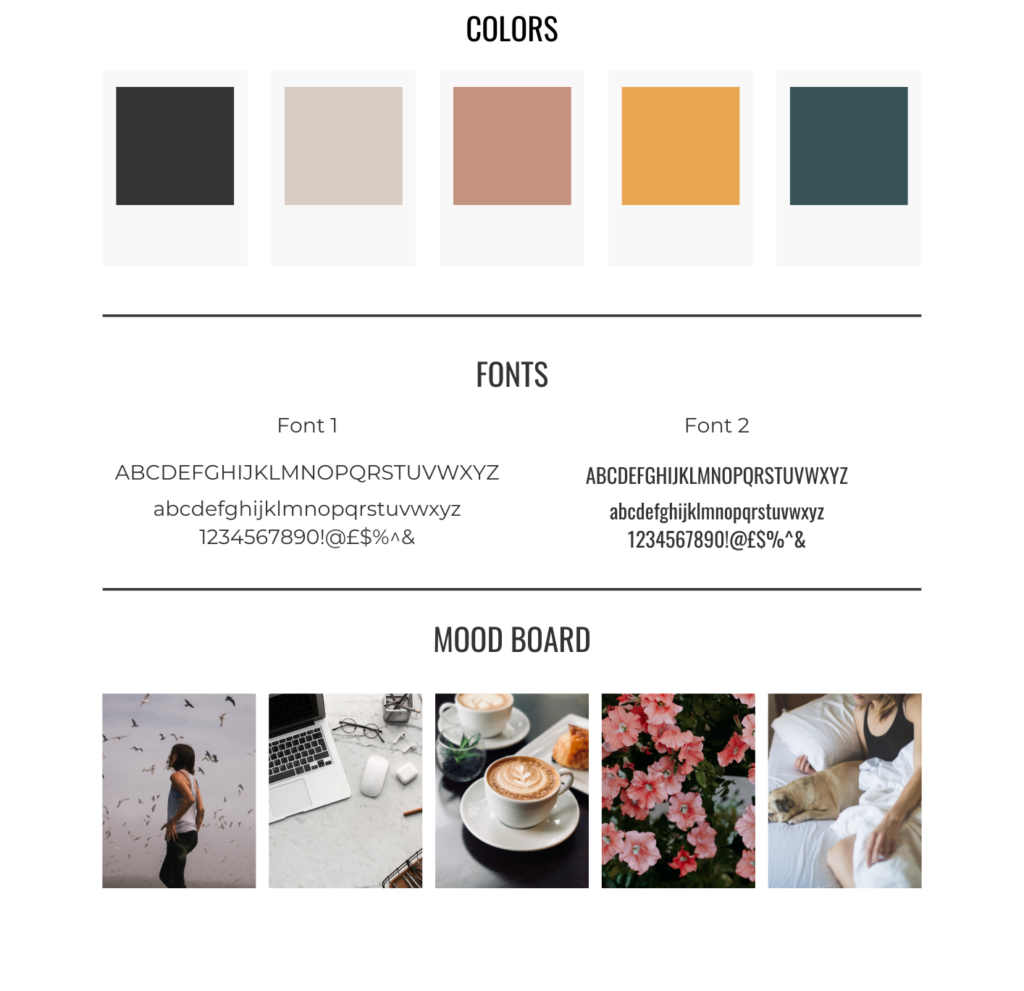
This is why people put so much thought and effort into choosing their brand colors and fonts. Those things tend to have a significant impact on how people feel about a brand, even if they don’t consciously realize it.
Of course you have a wide variety of colors to choose from, but this article is a great place to start because it lays out the emotions the primary colors tend to evoke in us.
The same goes for fonts, which you can read about here.
A word about practicality: As much fun as it might be to choose two colors that represent creativity, such as orange and pink, it’s important to think about how they look together. Will people be able to read pink font on an orange background or vice versa?
The same goes for your font. I made the mistake earlier on in my career of choosing a font I felt made me look very elegant and sophisticated … only to have a client tell me she couldn’t read it. What’s the point of a font no one can read?
So, yes, you should absolutely think about how your fonts and colors make people feel. But you should also make sure they are easily visible together, because if they’re not, you wont’ achieve any brand awareness, much less goodwill.
Trust

Speaking of good will, making sure people are familiar with your brand is a great first step, but it is just a first step. The next most important step is making sure they trust your brand.
Trust is one of those things that sounds like it might be trickier to achieve, but is actually pretty simple once you understand how our minds work.
First, there’s consistency. Think about a friend or family member you love who always shows up late. No matter how much you love them, would you trust them to show up for you when punctuality is of the essence, say, to testify as a character witness in your defense? Of course not! You might love them, but you don’t trust them.
Or maybe there’s someone in your life you thought you could trust, only to find out they were talking about you behind your back. Are you going to trust them again anytime soon? Not likely.
Trust can be surprisingly easy to achieve, but it’s also very easy to lose. And once trust is lost, it’s much harder to regain, so tread carefully.
This is one of the main reasons I tell people to choose a blog schedule they know they can commit to for the long haul.
If you don’t have a lot of client work right now and you can post every week, great! Can you keep up that schedule when things get busy? Probably not.
Unfortunately, if you have people hanging on your every word, ready for your next article, social media post, or podcast episode, think about how they’ll feel when the next installment isn’t released when you said it would be.
Not only will they be disappointed, but they’ll lose faith in you. And you might be surprised how easy it will be for them to find a more consistent source of information somewhere else.
By consistently publishing valuable content on a regular schedule that uses the same colors, the same, font, and the same language, you establish yourself as someone who can be trusted. And that makes prospects much more likely to work with you.
In-Groups and a Sense of Belonging

Despite how much we like to tell ourselves we have evolved beyond tribal quibbles, the fact is we are still very much a tribal species.
That means we tend to gravitate towards those who show signs of belonging to the same tribe to which we belong.
There are many ways we can indicate tribalism, not least of which are the colors we use and the style of clothing we wear, but what does that mean when it comes to the psychology of branding?
The best way to indicate to your prospects what tribe your brand belongs to is the language you use.
Do you use the same language your ideal clients use? Or are you using jargon that goes above their heads?
All your brand’s messaging needs to use the same language your prospects use. If they are highly educated and like to use long words, then use long words. If they like to swear, then your brand voice should include swearing. If they prefer to use “polite” language, then so should you.
If you’re not sure what kind of language your ideal clients use, just hang out with them for a while and pay special attention to the way they talk and write. What words do you notice coming up over and over again? What words have you noticed are always absent?
I tend to participate in a lot of mirroring when emailing with my clients and prospects. When I notice them using certain words, I’ll use similar language when responding to their messages. If someone swears at me, I’ll swear at them. It makes them more comfortable and it’s a way of signaling that we are members of the same tribe. We belong together.
If you found this content useful and would like to have more like it sent straight to your inbox, you can sign up for our newsletter in the space below. You can also see what we’re up to by following us on LinkedIn, YouTube, Instagram, and Facebook.
