

My dad loves playing chess and tried really hard to get me into it when I was a kid. He even signed me up for chess club at one point. I was so bored I don’t think I even finished out the year. As a result, I can’t remember how a knight or a bishop can move, and I certainly can’t name any opening plays (except for the queen’s gambit, but that’s only because of the Netflix show.)
What I do know is that a good chess player is always thinking several steps ahead. They’re not just thinking about their next move. They’re thinking about how if they move one way, their opponent will move another way, which will let them make a certain move, which will prompt their opponent to make a particular move etc. This is why chess competitions have timers. Without them players could spend all day going over every possibility to every move they make without ever actually making a move.
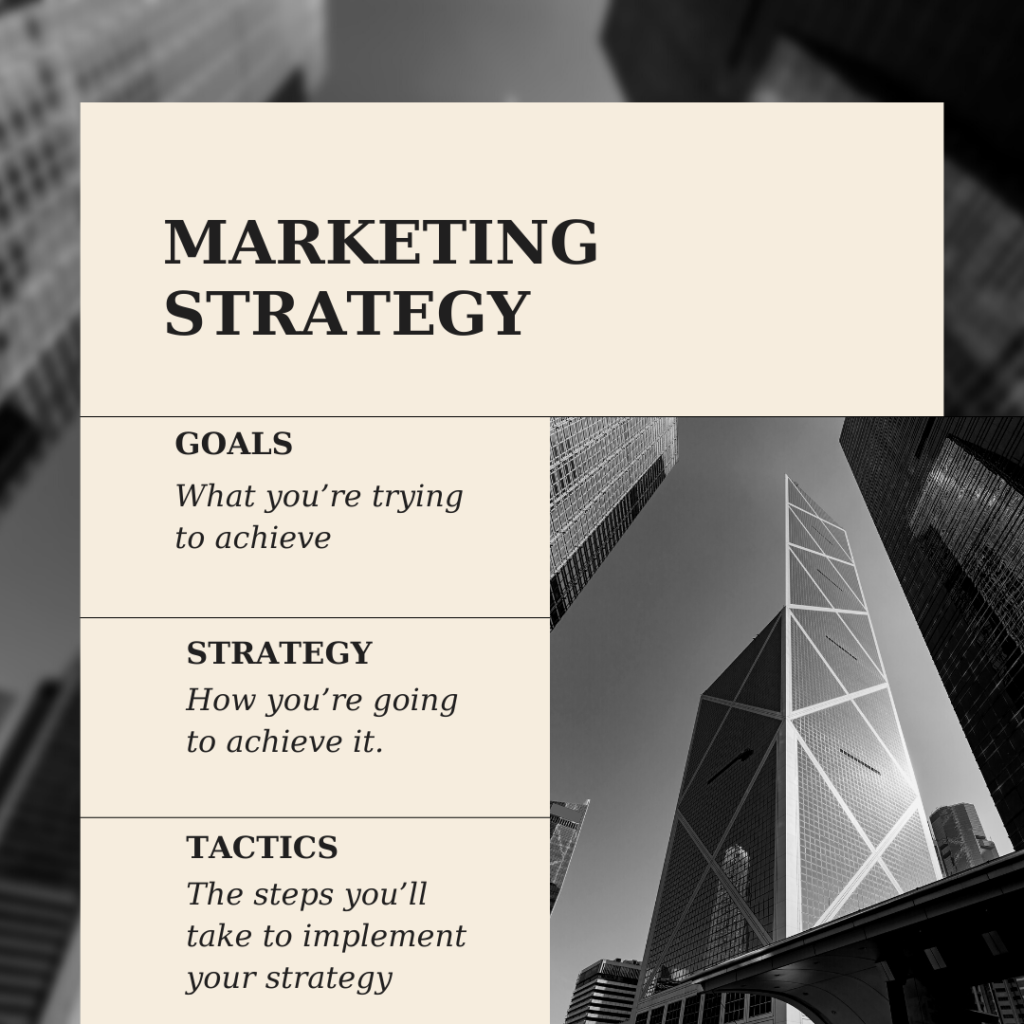
The play they end up making is a tactic. The process of thinking several steps ahead in the game is a strategy. A good player knows how to make a move that will have the best chance of supporting their long-term strategy so they can achieve their goal of taking their opponent’s king.
It sounds simple enough, but a lot of people use the terms strategies and tactics interchangeably. So, I thought it would be a good idea to go over some of the most common content marketing strategies and tactics so you can have a solid understanding of which is which.
Table of Contents
Content Marketing Strategies
Strategy defines what you won’t do as much as it defines what you will do. Don’t just dream a pretty picture of where you want your company to be in 5 years. Come up with a strategy to get you there. Then implement tactics that will help make the pretty picture a reality.
Defining Your Market Positioning
There are very, very few companies out there who are the only ones who provide the product/service they provide. If you’re like most of us, you have to deal with competitors, which means the first thing you need to do as a company is define your market positioning.
What do you stand for? What do you stand against? How are you setting yourself apart from the competition?
Identifying Your Target Audience

The best way to stand out from the competition is to get very clear about your target audience and create content just for them. Not just the basic demographics, like their job title, income bracket, family life, etc. But their psychographics. What language do they use? What keeps them up at night?
Creating Your Content Marketing Strategy
Determine the types of content you’ll create and where you’ll publish and distribute those pieces of content to make sure they get in front of your target audience.
For example, does your target audience read blog posts, or are they more likely to listen to podcasts? Podcasts are increasingly popular, so depending on your goals and your target audience, you might make a strategic decision to invest in podcasts rather than blogging. Of course, that could hurt your search engine optimization (SEO), but that’s a topic for another blog post.
Determining Tactics
I’ll get to tactics more in depth in a minute, but it’s important to note that determining which tactics you’re going to be using is an important part of your marketing strategy.
For example, I spend a lot of time on LinkedIn because I know that’s where my target audience and power partners tend to be. Deciding to allocate time and energy on LinkedIn was a strategy. Posting regularly on LinkedIn, beefing up my profile, engaging with influencers on the platform, are all tactics that support the strategy.
Reviewing Data

Your data will tell you whether your tactics are having the effect you need them to have, or whether you need to make some adjustments. Not only does that make reviewing data part of your marketing strategy, it’s one of the most crucial parts of that strategy.
Failing to check your data is like shooting a bow and arrow and not even bothering to see if you hit the target.
Content Marketing Tactics
Now that we’ve identified the target and how we’re going to achieve those goals, let’s look at the tactics that will get you there.
Creating Your Brand Voice Guidelines
The first thing I always do with my new clients is go over their target audience, brand positioning, goals for their content, etc. This gives me a clear idea of how they want their brand voice to sound, as well as the best way to elicit the feelings they want associated with their brand.
If you’re doing this yourself and you’re not sure where to start, here are some tips on how to define your brand voice.
Creating your logo and determining your brand fonts and colors are also marketing tactics. Like your brand voice guidelines, you’ll need to consider how each one will make people feel about your brand and whether it helps you stand out from the crowd or become just more white noise.
Creating a Content Calendar
Creating a content calendar will ensure you’re creating content that supports your strategy. This is when you sit down and decide which topics you’ll be covering, what action you want the reader to take at the end of each piece of content, where and when you’ll be publishing your content, etc.
Everything you do from then on is tactics: creating content, optimizing it for search engines, making sure it’s in your brand voice, publishing it, distributing it, etc.
If you found this content helpful and would like to have more like it sent straight to your inbox, you can sign up for our newsletter in the space below to make sure you never miss an update. You can also see what we’re up to by following us on LinkedIn, YouTube, Instagram, and Facebook.
